Shifting Gears on a Reliable Workhorse
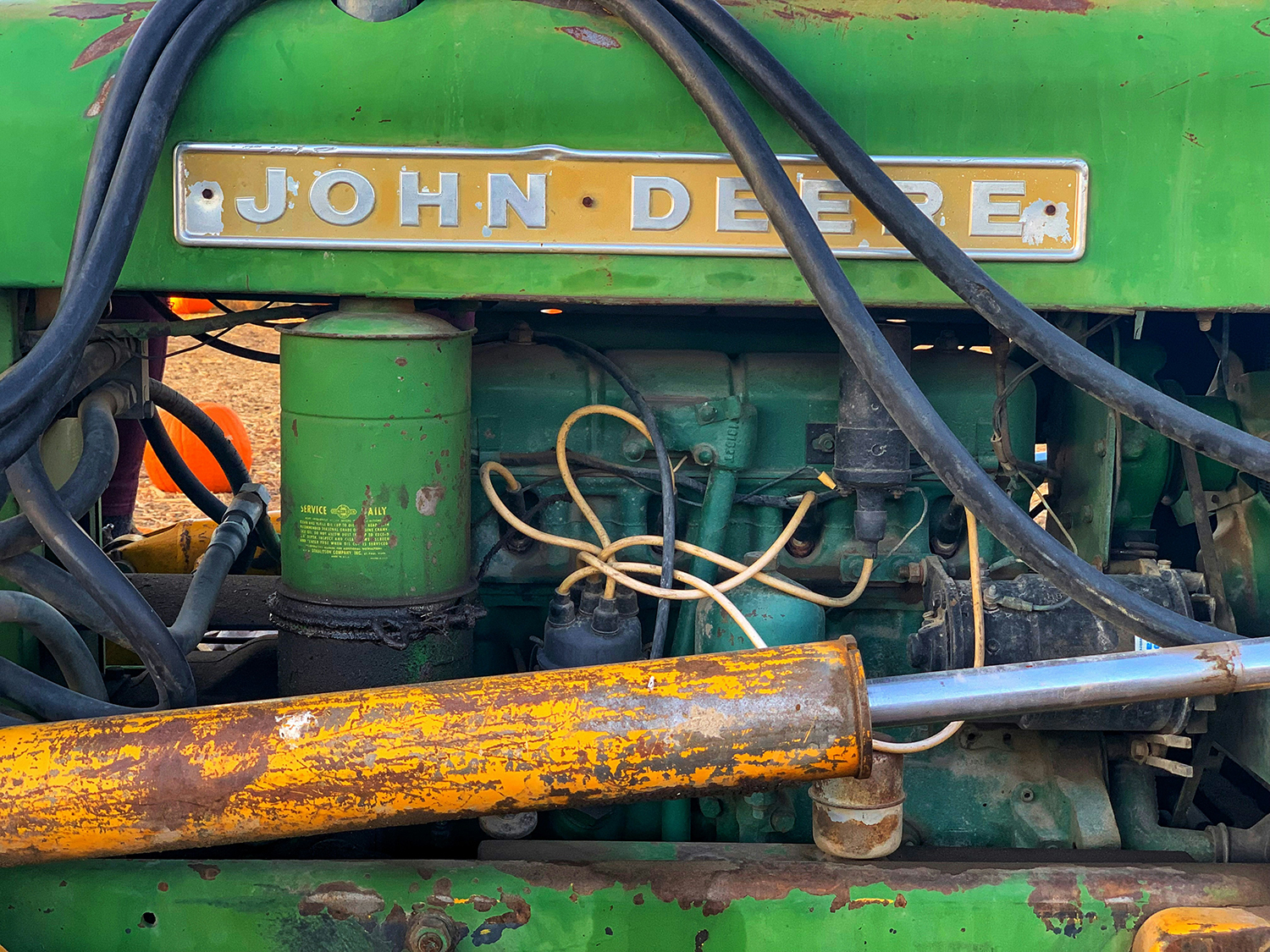
There is something familiar about an old tractor sitting in an Australian paddock. It carries the marks of work, weather, repair and use. Its value is not in being new or polished, but in what it represents: reliability, practical knowledge and years of contribution.
Many established agricultural businesses have been built in much the same way. They have grown through persistence, relationships, technical expertise and trust earned over time. Their strength often sits in reputation, customer knowledge, local understanding and the ability to keep delivering through changing seasons, markets and conditions.
These are significant advantages. In rural and agricultural markets, trust still matters. Buyers want confidence in the people, products and advice they rely on. A business that has built credibility over many years has something valuable that newer competitors often cannot replicate quickly.
However, being built to last is not always the same as being ready for the next stage of growth.
When strength becomes familiarity
Established businesses can sometimes become so used to the way they operate that their strengths become difficult to examine clearly. Processes that developed informally over time may continue because they are familiar. Customer relationships may depend heavily on a small number of experienced people. Decisions may be guided by instinct and history rather than visible commercial evidence.
This does not mean the business is poorly managed. In many cases, it means the business has grown through practical experience rather than formal structure. That approach can work well for a long time, particularly when the market is known, customers are loyal and the team understands how things are done.
The challenge comes when the business wants to grow beyond what those informal systems can support. More customers, more channels, more products, more staff or more competition can expose gaps that were previously manageable. What once felt efficient can begin to feel unclear. What once relied on experience can become harder to transfer, measure or scale.
The next stage of growth is often not about changing what made the business strong. It is about making those strengths easier to see, manage and build upon.
Growth requires more than reputation
A strong reputation can open doors, but it does not guarantee future growth. Established ag businesses still need to understand where growth is coming from, which opportunities are worth pursuing and what parts of the business need to be strengthened to support better performance.
This is where many businesses reach a natural turning point. They may not need a complete reinvention, but they do need a clearer view of how the business is positioned for the future. That may involve reviewing customer segments, sales activity, product mix, margins, marketing messages, internal processes, team responsibilities or the way commercial decisions are made.
The purpose is not to replace the knowledge and relationships that made the business successful. It is to make those strengths easier to see, manage and build upon. Future growth is more likely when a business can connect its established credibility with clearer priorities, stronger systems and better visibility over what is working.
Preparing the business for its next stage
Preparing an established ag business for growth is often less about doing more and more about understanding what should be strengthened. A business may already have loyal customers, good products and capable people, but still lack clarity around where the best future opportunities sit.
That clarity matters because growth creates pressure. It can place pressure on people, systems, margins, customer experience and management decision-making. Without clear priorities, businesses can respond by adding more activity, pursuing too many opportunities or investing in areas that do not deliver the best return.
A more practical approach is to assess the business from the inside out. What is already working? What is underused? Where is the business overly dependent on individual knowledge? Which activities are producing value? Which parts of the customer or sales process are becoming harder to manage? Which opportunities fit the business, and which are distractions?
These questions help shift growth planning from ambition to action. They allow owners and managers to focus on the areas most likely to improve performance without losing the qualities that made the business trusted in the first place.
Real growth comes from respecting what made the business strong, while tuning it for the work ahead.
Built on experience, ready for growth
The old tractor in the paddock is a useful reminder that longevity has value. It shows that something can be durable, useful and respected because it has done the work over time. But it also reminds us that changing conditions require adjustment. What was fit for purpose in one stage may need to be serviced, refined or rethought for the next.
The same is true for established rural and agricultural businesses. The aim is not to abandon what has been built. It is to understand it more clearly, strengthen what matters and prepare the business for the growth it wants to achieve.
Fieldpath Advisory helps established ag businesses look beyond the day-to-day and identify what needs to be strengthened for the next stage of growth. That may include improving visibility, clarifying priorities, reviewing commercial systems, identifying missed opportunities or helping the business make better decisions about where to focus time, effort and investment.
Strong businesses do not always need to start again. Often, they need to build more deliberately on the strengths they already have.